When I became a single dad, it was the last thing in the world I imagined facing in that season of life.
I felt completely inadequate and unprepared.
It happened back in 2010. Noah was 6, Elizabeth was 4, and Isaac was barely 2 years old. Their mom and I had adopted each of them at birth, and we absolutely loved building our little family together. We had made the decision that she would stay home with the kids while I worked to build my financial planning business.
That was the plan.
The plan was never that I would do it all alone.
But almost overnight, that’s exactly what happened.

One week, the woman we all knew and loved was leading a women’s Bible study at church. The next week, I was explaining to three little kids that mommy had “taken a little vacation.” I knew nothing until the local police department called and asked me to come pick up my truck, which had been left parked outside a local bar for three days.
That was the beginning.
What followed was an absolute crisis.
The family I had worked so hard to build wasn’t just hurting — it was shattered. And somehow, I became the one responsible for holding all the pieces together. I had to explain impossible things to children too young to understand them. I had to comfort them while trying to process my own heartbreak. And I had to keep moving forward while realizing the chaos wasn’t going away anytime soon.
I remember feeling like I was standing at the base of an enormous mountain.
The only way my kids were going to survive was if I somehow guided all of us to the top.
The problem was, I wasn’t a climber.
We had no gear.
No guide.
No roadmap.
No extra money.
No preparation.
It was just the kids and me.

And honestly, there were moments I wanted to quit.
I wanted to take them to my parents — who had done an incredible job raising six kids — and tell them I simply couldn’t do it. The weight felt crushing. Every day felt like survival.
But deep down, I knew something important:
If we were going to make it, we needed more than sheer willpower.
We needed a plan.
The Leadership Principle That Changed Everything
Two years earlier, in 2008, I had joined a leadership cohort studying people like John Maxwell, Stephen Covey, and Jim Collins.
The goal was to learn how to lead a team in business.
At the time, I never imagined those leadership principles would one day save my family.
But as I looked at the road ahead for my kids and me, a thought hit me:
“If these principles can help someone lead a business team, why couldn’t they help me lead my struggling little family?”
It was worth trying.
So I sat down and began viewing my family through the eyes of a leader.
Instead of simply reacting to crisis after crisis, I started building a framework for who we wanted to become.
I asked myself questions like:
- What is our vision as a family?
- What does “the top of the mountain” actually look like 20 years from now?
- What is our daily mission?
- What core values will define us?
- What does it mean to be a Langhofer?
- How will we treat one another?
- What kind of culture are we trying to build inside our home?
And slowly, piece by piece, I began writing it all down.
Building Our Family Handbook
It took me nearly two years to fully develop what eventually became our Langhofer Family Handbook.
When I finished, I hired a local college student to design a family logo and help turn everything into a professional-looking handbook for our home.
Then we started having weekly family meetings.
Every Friday after school, we would sit down together and talk about the important things:
- How we were doing as a family
- What challenges were coming that week
- How we could support one another
- What our expectations were
- How each person was contributing to the team
- Where we needed to improve
For the first time since the crisis began, I stopped feeling like I was parenting completely “off the cuff.”
Our Family Handbook gave me a framework.
It gave me language.
It gave me consistency.
Instead of constantly reacting emotionally, I could lead intentionally. I could remind my kids who we were, what we believed, and why we were choosing the path we were on.
But something else happened that I never expected.
The handbook didn’t just help me become a more intentional father.
It gave all of us a deeper sense of belonging.
It created identity.
Connection.
Purpose.
Culture.
And honestly, that changed everything.

Why It Worked
Looking back now, I understand why it was so powerful.
Before creating our Family Handbook, every day felt like survival mode. We were just trying to get through another hard day.
And kids feel that.
But when I finally took the time to define our purpose, our path, our values, and the way we would work together as a family, it changed the emotional atmosphere of our home.
We still faced painful situations.
We still had hard conversations.
We still made mistakes.
But now we had direction.
We had a shared identity.
We knew what we were working toward.
That clarity changed how we lived.

We Haven’t Reached the Mountaintop Yet
We’re still climbing.
But now my kids are climbing on their own.
They’re forging their own paths. Making decisions. Learning from mistakes. Correcting course with confidence. And despite the painful experiences we’ve walked through together, we are remarkably close to where I hoped we would be at this point in our journey.
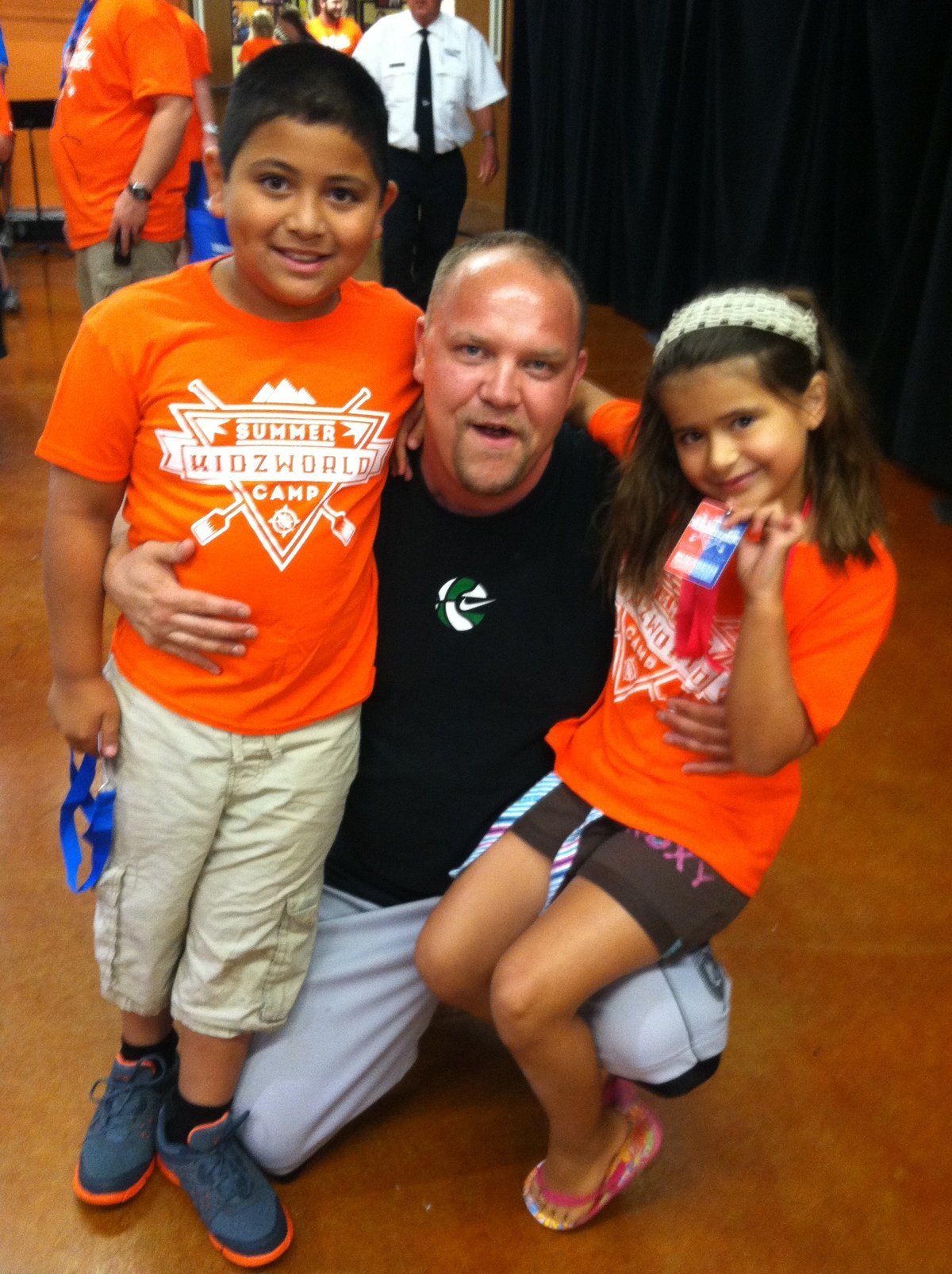
That didn’t happen accidentally.
It happened because I stopped trying to merely survive and started intentionally leading my family.
Your Family Needs a Framework Too
What I eventually realized is that the process I walked through is the same process great leaders use everywhere.
Strong leaders cannot predict every obstacle their team will face.
But they can define:
- the destination,
- the mission,
- the culture,
- the values,
- and the way the team will operate together no matter what comes.
The leader’s greatest responsibility becomes reminding the team:
- what they are working toward,
- why it matters,
- and who they are becoming along the way.
Ironically, business leadership taught me how to lead my family.
That was never the point of those leadership lessons, but the principles were exactly the same.
And today, I believe families need intentional leadership more than ever.
Your family may not be walking through the same kind of crisis mine did. But every family drifts without vision. Every family absorbs culture unless they intentionally create culture. Every child longs for identity, belonging, direction, and purpose.
That’s why I hope you’ll take the time to define what your family stands for.
I hope you’ll identify the values that matter most.
I hope you’ll clarify the destination you’re aiming toward.
I hope you’ll find your voice as a leader inside your home.
And I hope you’ll begin by creating your own family framework.
Because one document truly changed the direction of our home.
And it may change yours too.